
Motorized Screens Built For
Engineering Excellence
Precision automation systems that meet your exact specifications
The Ultimate Authority on Motorized Screens
Discover innovative solutions for outdoor living, privacy, and sun protection

Next Gen Screens
Your Technical Partner for Motorized Screen System Integration
At NextGen Screens, we know that integrating motorized screening systems is about more than selecting components—it's about finding a technical partner who understands your calculations and supports your specifications at every phase of the project.
Our engineering support team delivers comprehensive technical assistance and documentation, from initial load analysis and performance modeling to commissioning and system optimization. Here you will find immediate access to complete technical libraries with AutoCAD drawings and parametric models, detailed structural calculations, protocol specifications, and performance data including wind load resistance, seismic ratings, thermal coefficients, and motor sizing requirements. Whether your project involves high-rise facade systems, industrial automation applications, or specialized environmental controls, our specialists deliver: Rapid response to technical inquiries, Custom calculations for unique load conditions, On-site commissioning support to ensure performance compliance.
We go further with PE-accredited continuing education courses, early-phase feasibility analysis tools, and a portfolio of award-winning engineered installations.
With NextGen Screens, you can specify with confidence—knowing our commitment extends beyond product delivery to true technical partnership at every milestone.

CAD Integration
Files
Structural drawings,
details, and parametric
modeling

Testing &
Validation Data
Performance metrics,
stress analysis, and
quality assurance

Design
Analysis Tool
Wind load, seismic
ratings, and system
specifications

Standard
Documentation
Building codes, safety reqs., & certification
standards
Next Gen Screens
A Resource for Every Situation
Welcome to NextGenScreens.com – your definitive resource for motorized retractable screens, automated outdoor screening solutions, and innovative sun and hurricane protection systems.
Whether you're a homeowner seeking hurricane-rated storm protection, a builder specifying commercial-grade motorized patio screens, or an architect designing with cutting-edge retractable insect screens, our comprehensive guides deliver the technical expertise and product knowledge you need.
Explore in-depth comparisons of motorized screen systems, installation specifications, fabric options, and smart home integration capabilities from industry leader Fenetex. From energy-efficient solar screens to wind-resistant privacy solutions, discover how automated screening technology transforms outdoor living spaces while providing superior protection, comfort, and value.
We are here to help you make informed decisions with our unbiased resources, cost calculators, and expert insights into the latest motorized screen innovations.

Builders
Specifications, installation guides, and project planning resources

Architects
CAD files, technical specs, and innovative design application

Designers
Aesthetic options, fabric selections, and design aspiration

Engineers
Understanding The Science Behind Motorized Screens
BE IN THE KNOW....
Don't let costly mistakes, wrong designs, wrong applications, or warranty-voiding your motorized screen investment. Manufacture are in the business of selling screens, contractors can cut corners, and many products often under perform promises. Don't be a victum. BE IN THE KNOW before you commit: understanding proper wind-load ratings, motor specifications, and installation requirements is the difference between screens that protect your home for decades and those that fail when you need them most is a simple choice, a choice of being an informed consumer.
BE IN THE KNOW....
Don't let costly mistakes, wrong designs, wrong applications, or warranty-voiding your motorized screen investment. Manufacture are in the business of selling screens, contractors can cut corners, and many products often under perform promises. Don't be a victum. BE IN THE KNOW before you commit: understanding proper wind-load ratings, motor specifications, and installation requirements is the difference between screens that protect your home for decades and those that fail when you need them most is a simple choice, a choice of being an informed consumer.
Motorized and Retractable Screens
Stay Sharp on Screen Specs
The motorized screen industry moves fast — new codes, new materials, new wind-load standards. Our Screened In News blog keeps architects, builders, and designers ahead of every change.
Motorized Screens
Transform Outdoor Spaces.....
Motorized Screens
Transform Outdoor Spaces.....
Popular Applications
and Integration
Motorized Screens Are Changing Spaces.
A Motorized Screen Resources
Next Gen Technical Motorized Screen Resources

Engineering Specifications
Detailed calculations, compliance standards, and best practices for incorporating Motorized Screens into your technical documentation.

Load Analysis and Validation
A comprehensive overview of all motorized screen structural requirements, wind load calculations, seismic ratings, and engineering data.

System Design and Planning
Comprehensive overview of motorized screen engineering, both structural integration and operational specifications for project implementation.
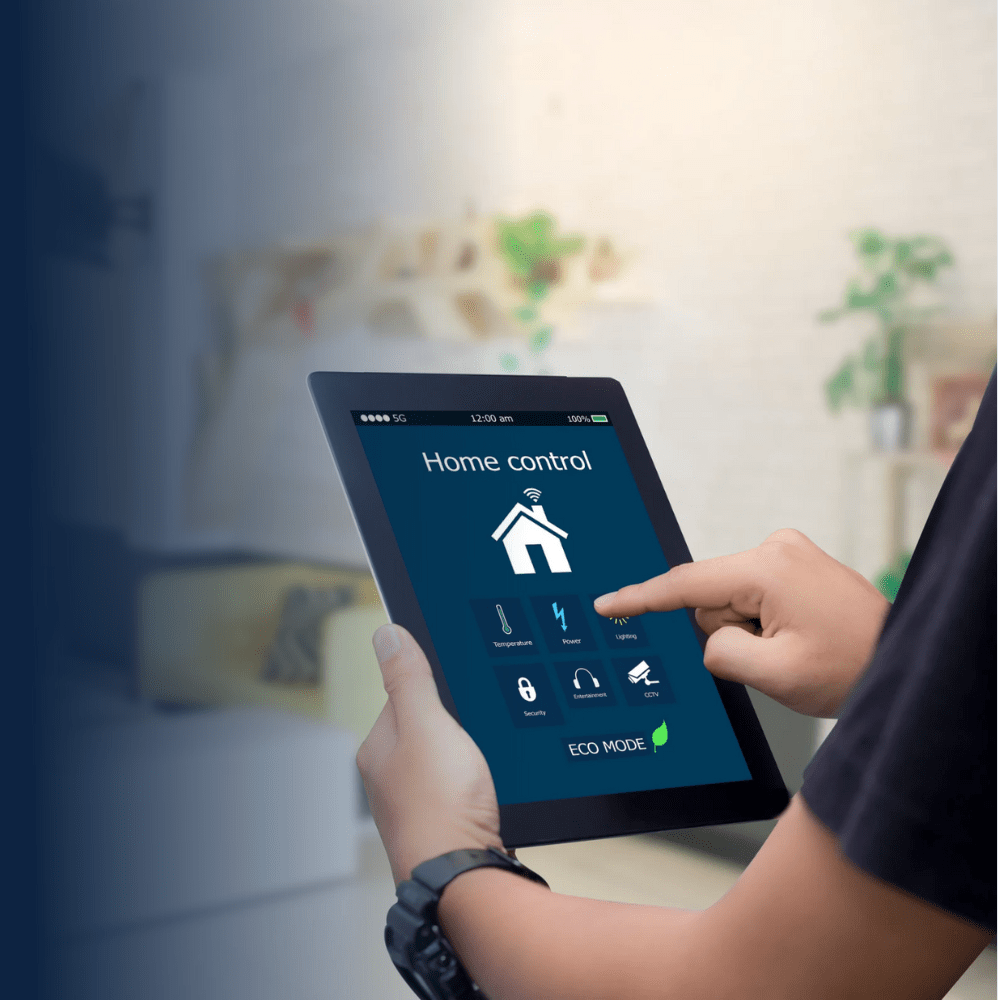
Automation and Controls
Best practices for system integration and building automation protocols with comprehensive implementation guidelines and specifications.

Structural Performance Benefits
Calculate your load requirements with precision motorized screen engineering solutions for optimal structural performance analysis.

Technical Resources & Support
Step-by-step calculations, testing data, and best practices for Engineering validation with comprehensive technical documentation support.
Got Questions
We Got The Answer
Got Questions
We Got The Answer
A Motorized Screen Resources
Essential Knowledge Center
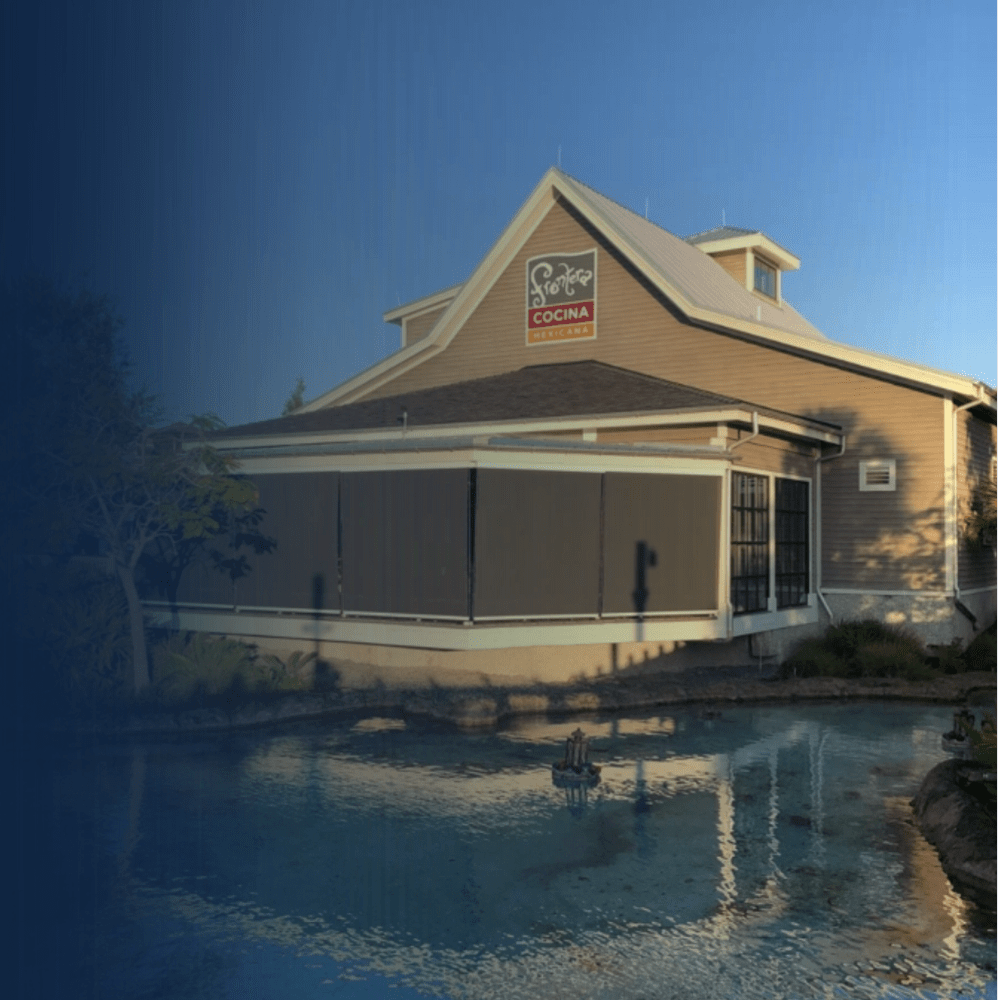
2025 Outdoor Living Trends
Comprehensive overview of all motorized screen types, features, and specifications.
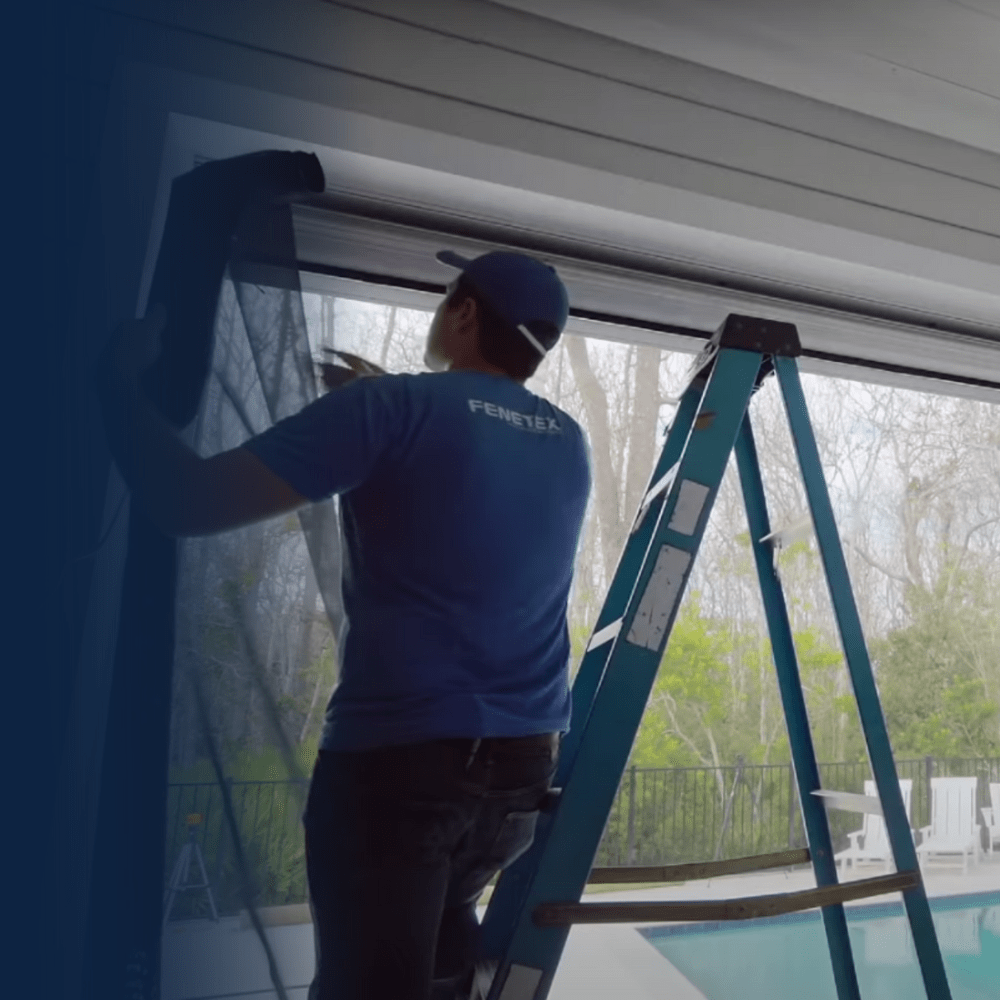
Install Guide & More
Step-by-step guides, videos, and best practices for Maintenance of motorized and retractable screens.
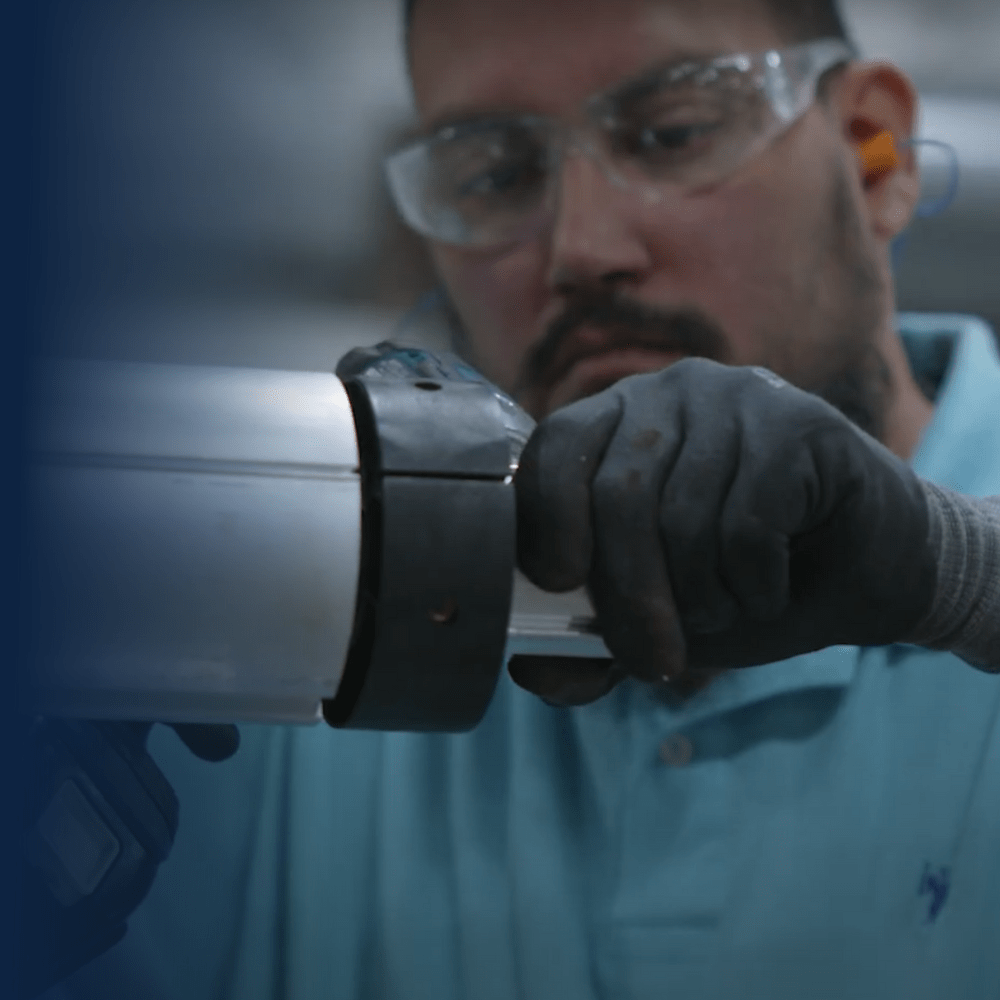
Motorized Screens Maintencance
Step-by-step guides, videos, and best practices for Maintenance of motorized and retractable screens.
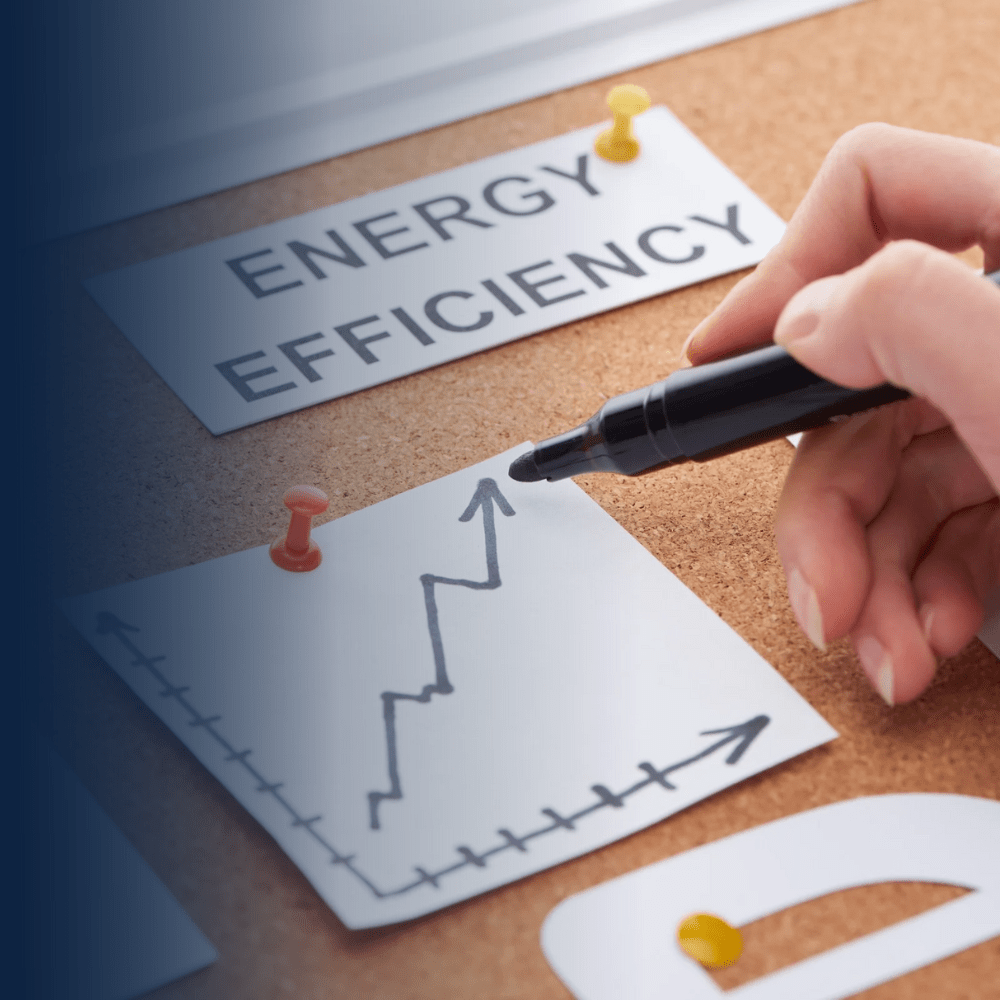
Energy Efficiency Benefits
Calculate your energy savings with smart motorized screen solutions...
Got A Questions
We Got The Answers
Motorized Screens
Technical Analysis Guide
Next Gen Engineering Resources provides the critical technical analysis and performance data essential for precision motorized screen system integration and optimal operational reliability.
Whether you're calculating structural load requirements, analyzing building code compliance factors, determining motor sizing specifications, or evaluating system compatibility with existing building automation infrastructure.
Our comprehensive technical database eliminates calculation errors and ensures system performance. Access detailed structural analysis reports, load calculations with regional requirements, connection specifications, motor performance data, thermal considerations, plus complete system integration protocols for building management compatibility.
From initial feasibility analysis to commissioning verification, we're the authoritative engineering resource that structural engineers, MEP consultants, controls specialists, and technical project managers rely on to deliver systems that perform reliably under all operating conditions.
Got A Questions
We Got The Answers
Motorized Screens
Engineering Data and Performance Metrics
Next Gen Engineering Resources delivers the essential technical specifications and performance analysis critical for reliable motorized screen system design and implementation.
Whether you're performing structural calculations for high-rise installations, conducting seismic analysis for code compliance, evaluating motor load requirements for optimal performance, or assessing environmental factors including wind resistance and thermal expansion coefficients.
Our technical documentation library provides verified data and eliminates design uncertainties. Access comprehensive load calculation worksheets, structural connection details, motor performance curves, environmental testing results, material specifications including corrosion resistance ratings, plus system integration guidelines for building automation compatibility.
From initial design phase through performance verification, we're the trusted engineering resource that structural consultants, MEP engineers, systems integrators, and project engineers depend on to deliver motorized screen solutions that meet rigorous performance standards and long-term reliability requirements.
Got A Questions
We Got The Answers
Motorized Screens
Project Engineering and Analysis
Next Gen Engineering Support bridges the gap between theoretical design and real-world performance, empowering engineering teams to confidently specify motorized screen systems that perform exactly as calculated.
The engineering challenge isn't just about meeting code requirements—it's about delivering systems that maintain peak performance under actual operating conditions while integrating seamlessly with existing building infrastructure and future expansion plans.
Our field-tested engineering approach eliminates the guesswork. Benefit from battle-tested design standards, real-world performance data, optimized component selection tools, proven installation methodologies, material specifications backed by extensive field testing, plus ongoing technical support that extends beyond project completion.
Engineering professionals partner with Next Gen because we understand that successful projects require more than just meeting minimum requirements—they demand systems that exceed expectations, operate reliably for decades, and enhance overall building performance.
Got A Questions
We Got The Answers
Motorized Screens
Technical Automation and Performance
Performance without guesswork. Integration without complications. We know that engineering automation systems can feel like solving complex equations—one miscalculated load, one incompatible protocol, and your precisely designed system fails to meet specifications. That's why NextGen Screens transforms technical challenges into reliable solutions, with proven engineering data that integrates seamlessly with your building systems.
Picture this: Your structural calculations account for every dynamic load, while your control systems execute flawless performance cycles that respond to environmental variables. No system failures. No integration conflicts. No late-night calls wondering if your specifications will actually perform as designed.
Because engineering excellence lives in the precision—where calculations become predictable performance, where systems integrate without compromise, where your technical specifications work so reliably that operations teams never question the engineering behind it.
BLEND SEAMLESSLY
Take Control - Smart Hub.
With the Bond Bridge Pro, managing your Fenetex MaxForce Hurricane or One Track Motorized Screens is seamless and smart. This powerful integration allows you to open or close your screens from anywhere using your smartphone, voice assistant, or home automation system. Whether you're at home, at work, or away on vacation, control is always at your fingertips.
COMPATIBLE INTEGRATION


VOICE ACTIVATION ASSISTANTS




SMART MOTOR TECHNOLOGIES



Got A Questions
We Got The Answers
Motorized Screens
System Efficiency Engineering
Those high-performance glazing systems and expansive curtain walls that define modern architecture can create significant thermal challenges when solar heat gain overwhelms HVAC capacity, often resulting in system oversizing, increased energy consumption, and client complaints about comfort conditions.
Motorized shading systems provide measurable thermal performance improvements, automatically adjusting based on environmental conditions to maintain optimal building performance. These systems help reduce peak cooling loads and can influence mechanical equipment sizing requirements.
Engineering analysis shows that motorized screens help manage solar heat gain, allowing engineers to optimize HVAC system specifications for buildings with extensive glazing. Proper integration of automated shading systems affects load calculations and energy modeling for sun-exposed building zones.
From commercial office towers with extensive glazing to institutional buildings with high-performance facades, motorized screening systems enable engineers to work toward energy performance targets while maintaining architectural requirements for transparency and natural light.
The integration of automated shading into building energy models helps engineers demonstrate design intent and work toward operational efficiency goals in high-performance building applications.
Got A Questions
We Got The Answers
Motorized Screens
Engineering Support & Documentation
System reliability starts with proper engineering specifications and extends through comprehensive technical documentation that supports successful project delivery. We've streamlined the specification process, providing detailed technical resources that transform complex motorized screen projects into confident engineering decisions—whether you're specifying your first automated shading system or managing integrated building automation across multiple facilities.
Our technical documentation includes comprehensive load calculation worksheets, structural mounting specifications, and system integration protocols that address engineering challenges before they impact project schedules. No more incomplete technical data or missing performance parameters that delay design development. Every structural connection, every control interface, every performance specification is documented with the precision your engineering team requires.
Long-term system performance becomes predictable when engineering specifications account for operational requirements. Our systems are designed for reliable operation with quantified maintenance intervals—engineered components, environmental ratings, and operational parameters that support lifecycle analysis. When technical support is needed, our engineering resources provide everything from commissioning procedures to performance verification protocols, with clear guidance on system optimization and when additional technical consultation is recommended.
System integration success depends on thorough engineering documentation that supports both design intent and operational requirements throughout the building's service life.
Sponsor by Fenetex Motorized Screens
Professional Resources
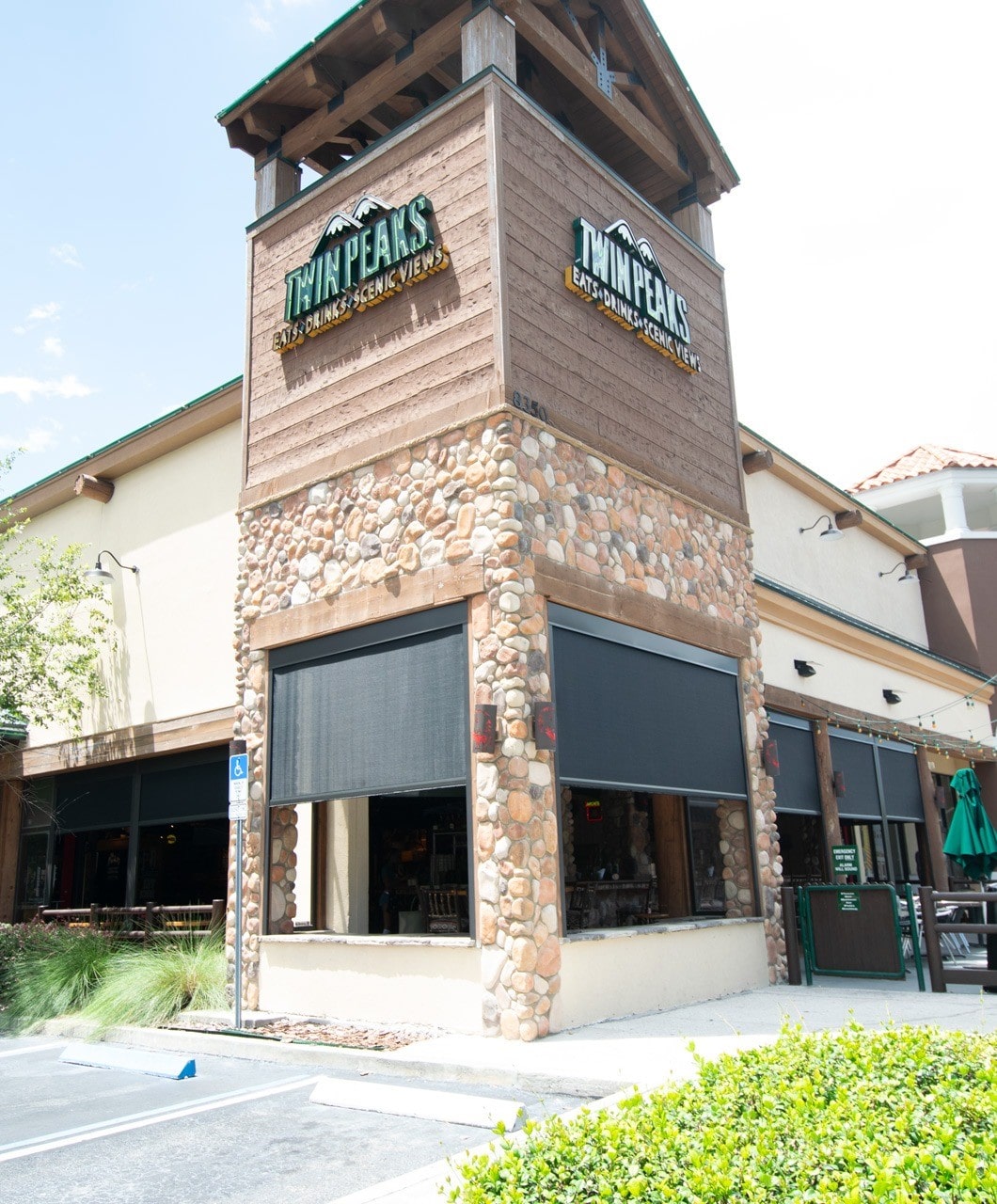
Next Gen Professional Resources delivers the comprehensive technical documentation and expert guidance essential for successful motorized screen projects
It does not matter if you're an architect specifying wind load calculations, a builder navigating local building code compliance, an engineer selecting motor specifications, or a homeowner comparing fabric options and smart home automation capabilities.
Our extensive resource library eliminates guesswork and ensures project success. Access detailed product selection guides, hurricane-rated wind load specifications, state-by-state building code requirements, motor torque calculations, fabric performance data including openness factors and UV protection ratings, plus complete home automation integration protocols for today's leading control systems.
From concept to completion, we're the definitive technical resource that architects, designers, engineers, builders, and informed homeowners trust to transform vision into reality.
Frequently Asked Questions
What structural and load calculation data is available for motorized screen system specifications?
Engineers specifying motorized screen systems require verified structural data that most manufacturers do not publish. NextGenScreens provides load calculation worksheets, structural connection specifications, wind-load resistance data, motor performance curves, and thermal coefficients for the systems it represents. This documentation supports structural analysis, permit submissions, and commissioning verification — eliminating the data gaps that delay design development and cause costly field corrections.
How are motorized screen systems tested for wind-load performance and structural compliance?
Motorized screen systems undergo independent wind-load testing to verify performance under design wind pressures per ASCE 7 standards. Testing evaluates track deflection, fabric tension, motor load under wind pressure, and attachment point integrity. For hurricane-rated applications in Florida's High Velocity Hurricane Zone, systems must obtain Miami-Dade County Notice of Acceptance through a defined testing and approval protocol. Engineers should request certified test reports and confirm the system's tested configuration matches the specified installation conditions.
What thermal and energy performance data is available for motorized screen specifications?
Motorized shading screens are characterized by solar heat gain coefficient, visible light transmittance, and openness factor — the three primary metrics engineers use for energy modeling and HVAC load calculations. These values vary significantly by fabric type, weave density, and color. Automated motorized systems that respond to solar conditions can reduce peak cooling loads and influence mechanical equipment sizing. NextGenScreens provides fabric performance data and thermal specifications for the systems it represents to support energy analysis and compliance documentation.
How do motorized screen motor systems integrate with building automation and control protocols?
Motor selection and control protocol compatibility are critical engineering decisions for motorized screen installations in commercial and institutional buildings. Motors compatible with RS-485, KNX, BACnet, or proprietary protocols from Somfy, Nice, and Gaposa enable integration with building management systems for centralized control, scheduling, and fault monitoring. NextGenScreens provides motor specification data, wiring diagrams, and control protocol documentation to support MEP engineers and systems integrators working on building automation integration.


