The Complete Motorized Screen Specification Reference for Industry Professionals

The Complete Motorized Screen Specification Reference for Industry Professionals

The Complete Motorized Screen Specification Reference for Industry ProfessionalsKhudakoz
Published on: 10/06/2026

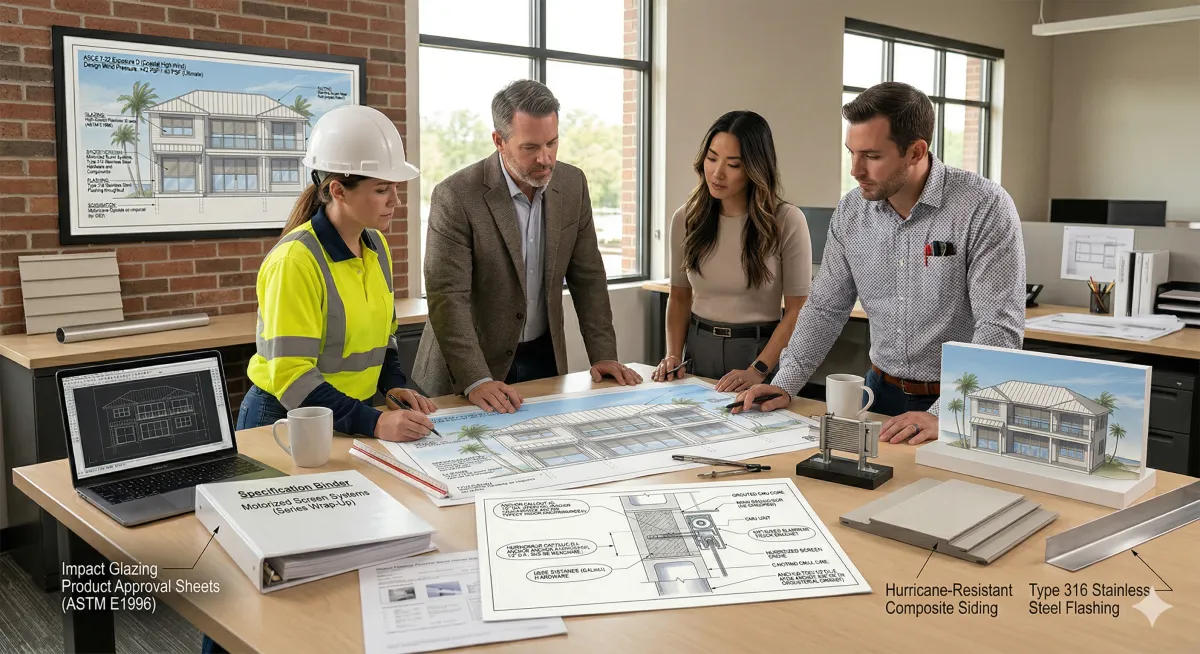
Twelve blogs. Every dimension of motorized screen specification: wind load calculations, Florida Building Code compliance, fabric performance data, motor torque requirements, structural attachment standards, automation protocols, and coastal high-wind design. This series-closing reference synthesizes the complete specification framework for Builders, Architects, Designers, and Engineers working with motorized screen systems in permitted construction.

Motorized Hurricane Screens Best Of SeriesThe Motorized Screen Specification Series
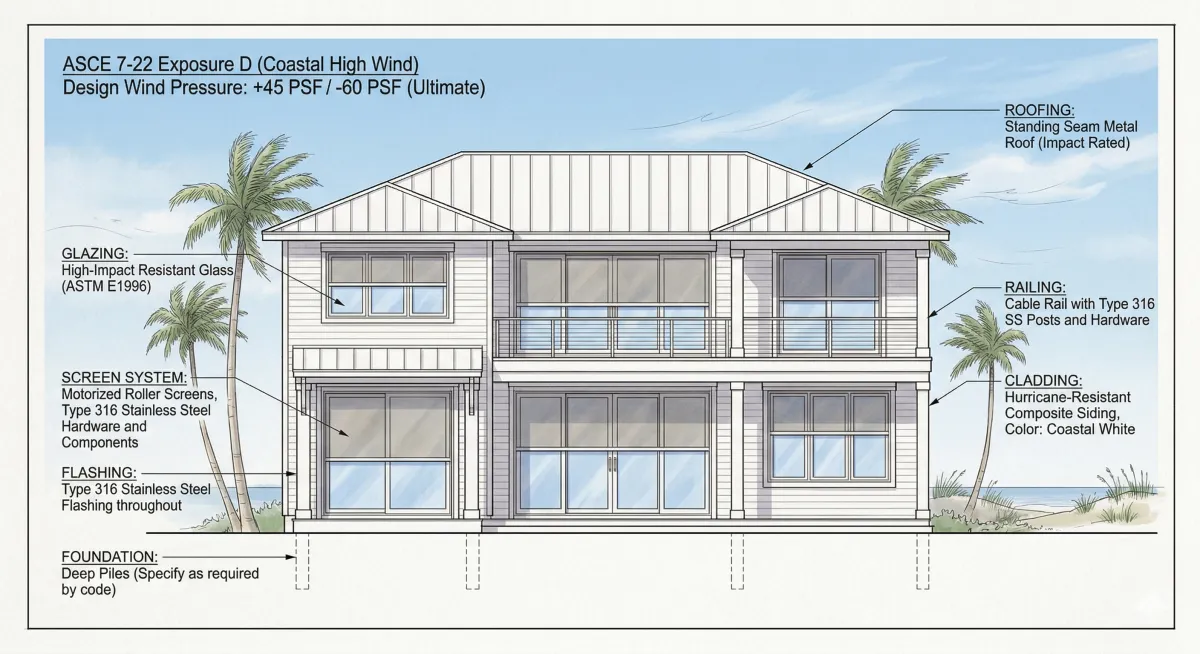
Motorized Screen Specifications for Coastal and High-Wind Regions: HVHZ, Miami-Dade, and ASCE 7 Compliance

Motorized Screen Specifications for Coastal and High-Wind Regions: HVHZ, Miami-Dade, and ASCE 7 Compliance

Motorized Screen Specifications for Coastal and High-Wind Regions: HVHZ, Miami-Dade, and ASCE 7 ComplianceKhudakoz
Published on: 03/06/2026

Coastal and high-wind-zone projects impose specification demands that inland construction does not: Exposure D wind loads that can exceed 80 psf negative on building corners, HVHZ certification requirements that differ fundamentally from statewide Product Approval, impact certification that must survive windborne debris at 185 mph, and material specifications that must resist salt-air corrosion across a 25-year building service life. This guide gives architects the complete specification framework for motorized screens in these environments.

Motorized Hurricane Screens The Motorized Screen Specification Series
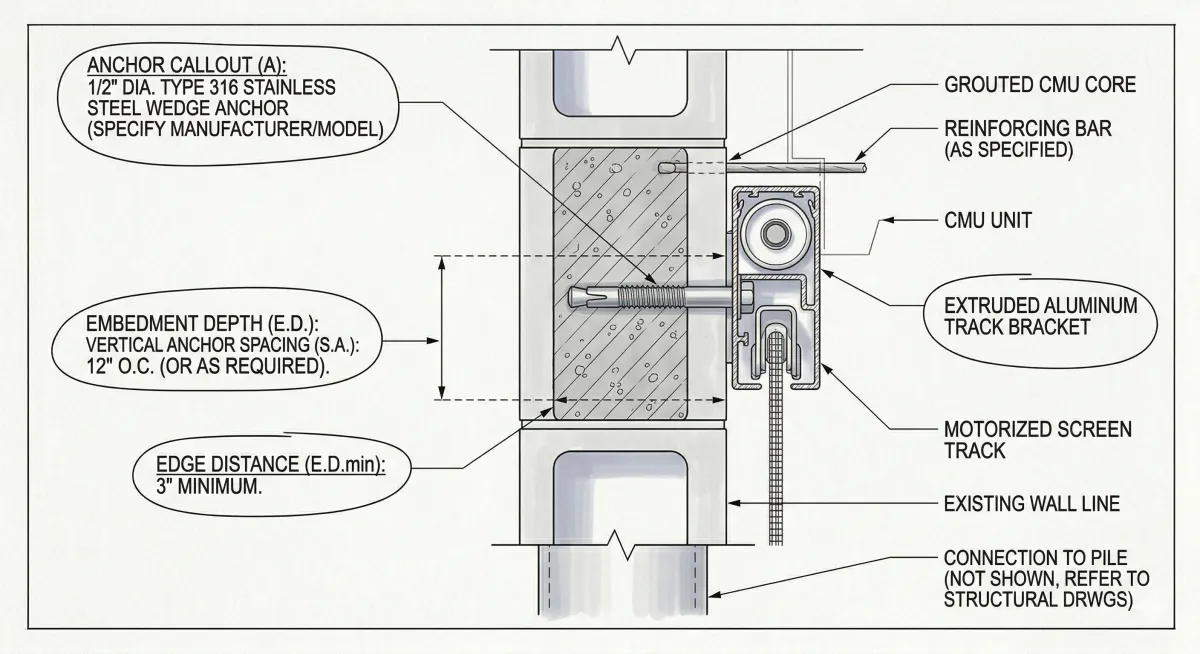
Structural Attachment Standards for Motorized Screen Systems: Masonry, Wood Frame, and Steel Construction

Structural Attachment Standards for Motorized Screen Systems: Masonry, Wood Frame, and Steel Construction

Structural Attachment Standards for Motorized Screen Systems: Masonry, Wood Frame, and Steel ConstructionKhudakoz
Published on: 27/05/2026

Motorized screen structural attachment requires anchor selection, load calculation, and substrate classification that go beyond the product approval anchor schedule for large-span and high-wind-zone installations. This guide gives engineers the framework for calculating attachment loads, selecting anchors by substrate type, verifying edge distance and spacing requirements, and producing stamped attachment calculations when product approval installation details are insufficient.

Motorized Hurricane Screens The Motorized Screen Specification Series
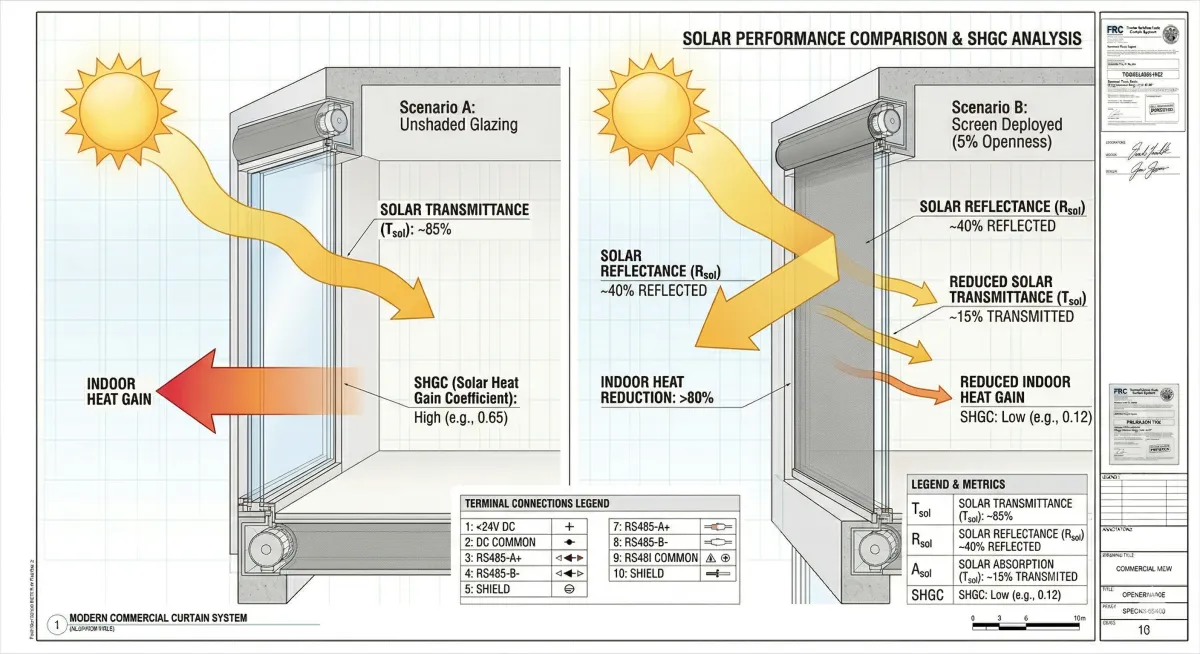
Solar Heat Gain and Shading Coefficients: How Motorized Screens Perform Against ASHRAE 90.1 Standards

Solar Heat Gain and Shading Coefficients: How Motorized Screens Perform Against ASHRAE 90.1 Standards

Solar Heat Gain and Shading Coefficients: How Motorized Screens Perform Against ASHRAE 90.1 StandardsKhudakoz
Published on: 20/05/2026

Exterior motorized screens interact with the building envelope's thermal performance at the fenestration layer. Understanding how fabric solar optical properties translate into SHGC reductions, ASHRAE 90.1 compliance contributions, and measurable cooling load impacts gives designers the data framework to specify screen fabrics with thermal performance intentionality rather than by color preference alone.

Motorized Hurricane Screens Discussion and Guides The Motorized Screen Specification Series